Physio Anatomy App
Elearning app development for medical education
SaberWP, a WordPress development firm, brought 7Fridays into a challenging e-learning project: a web app for physiotherapy students and their professor. Before it, the course ran on offline materials. Andrian, our tech lead, spent most of the contract on the app itself.
The app is built with React and Firebase. The professor adds materials and builds lessons from them, students sign in to study those lessons and keep their own notes, and 3D anatomy visuals show the body parts each lesson is about. More than 30 users work in it.
- Client
- SaberWP
- Users
- 30+ physio students and a professor
- Our role
- Developers inside SaberWP's team
- What we did
- React app, Firebase, lesson builder
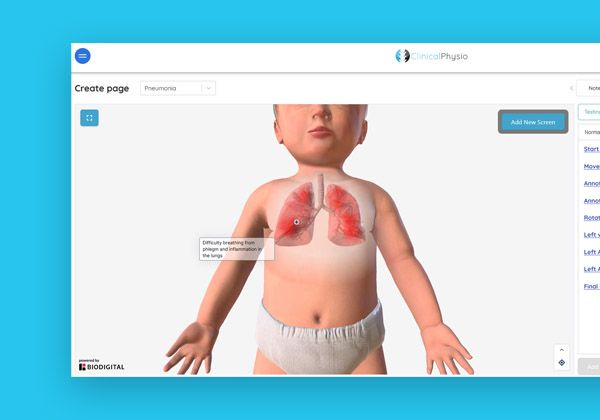
What the app does
From offline materials to one place to study
The course used to live in offline materials. The app puts it in one place the professor runs and the students open from any browser.
Lessons the professor builds
The professor adds materials and puts them together into lessons inside the app, without asking a developer.
Why it matters
The course stays with the person who teaches it.
3D anatomy as visuals
Lessons show the body parts they cover on a 3D anatomy model from the BioDigital Human API. We connected a proven model rather than building a 3D engine.
Why it matters
Students see the anatomy, and the budget went into the app, not into 3D.
Sign-in and notes on Firebase
Firebase runs the sign-in and stores the lessons and each student’s notes, so the React app needs no server of its own.
Why it matters
Nothing to host or patch for a course of 30+ users.
3D that does not make students wait
The hardest part of the build
3D anatomy models are heavy. The simple way to show a new body part is to reload the whole model, and every reload leaves a student looking at a loading screen in the middle of a lesson.
So the app never reloads the whole model. When a lesson moves to another part of the body, we update only the parts of the model that change. New model data loads in the background, so students keep rotating, reading and taking notes while the next content arrives.
The result is shorter loading times and an app that stays responsive through a whole lesson. It is the kind of problem Casey from SaberWP meant when he wrote that we solved many difficult and unusual problems with ease.
Andrian is a fantastic developer and the entire team at 7Fridays served as a valuable development resource on a challenging elearning project. He solved many difficult and unusual problems in this very custom project with ease. For our firm they are the go to dev agency that we trust and have had the best experience with.
Elearning app development with React
Questions, answered from this project
What does elearning app development with React look like?
On this project: a React single-page app on Firebase for physiotherapy students and their professor. The professor builds lessons from materials, more than 30 users study in it, and it replaced the offline materials the course used before.
Can teachers build lessons without a developer?
Yes, if the app is built for it. Here the professor adds materials and builds lessons from them inside the app.
How do you add 3D anatomy to a web app?
We connected the BioDigital Human API, a ready 3D anatomy model, and used it as visuals in the lessons. For a course app that is faster and cheaper than building 3D from scratch.
How do you keep 3D models fast in a web app?
Do not reload the whole model. In this app we update only the parts of the anatomy model a lesson changes, and load new model data in the background while the student keeps working. That cut loading times and kept the app responsive.
Why Firebase for an e-learning app?
Firebase gives sign-in and a database without a server to run. For a course with a few dozen users that means nothing to host or patch, and the React app talks to it directly.
Do you work as part of another agency's team?
Yes. On this project we worked inside SaberWP's team, with their tickets in ClickUp and their GitHub repositories, and checked in code every day.
More React projects
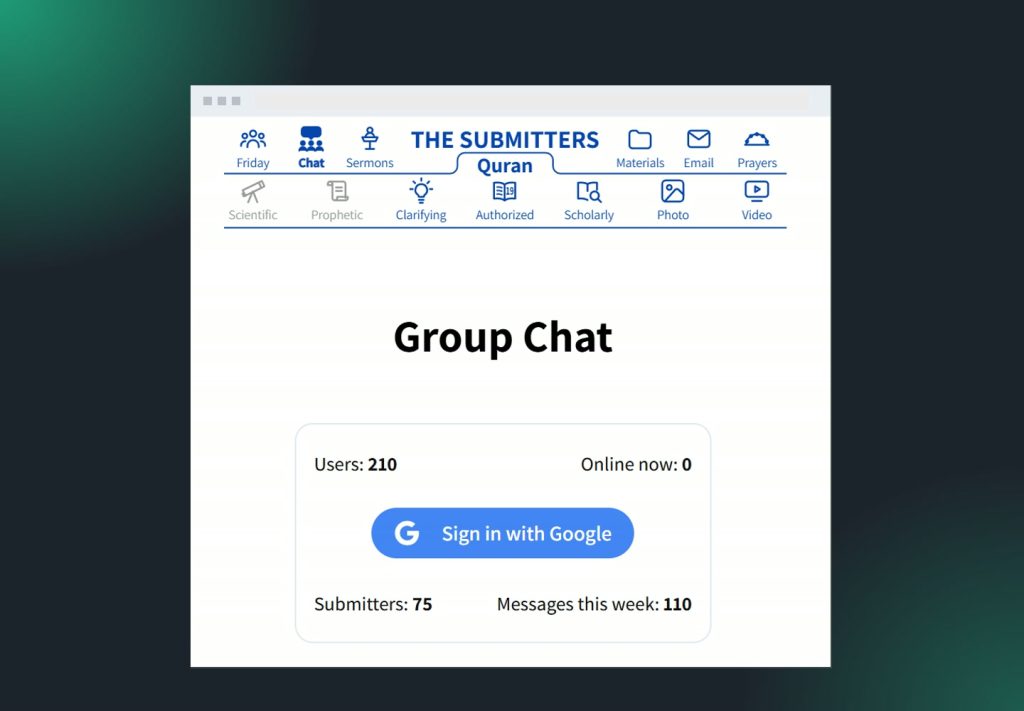
The Submitters
A live group chat inside The Submitters' WordPress site, built with React and Firebase in three stages, that runs on Firebase's free plan.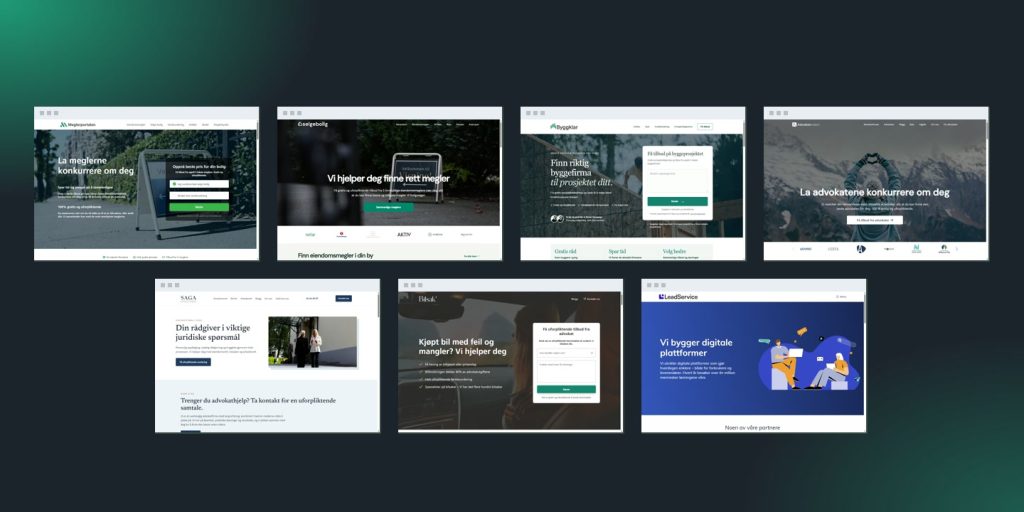
Lead Service
A network of 10 lead generation websites in Norway and Sweden: Next.js sites on headless WordPress and the admin system that routes every lead to paying partners, maintained and grown from 2023 to 2026.
Artificial Intelligence and Search Optimization in Headless Projects
Modern digital ecosystems demand extreme flexibility from businesses, making the transition to Headless architecture a standard for companies striving for scalability and high-speed interfaces.
Let's make something meaningful
Tell us what you are building. A real engineer replies within one working day — usually with questions, sometimes with a first estimate.
Talk to us
Tell us what you are building. A real engineer replies within one working day — usually with questions, sometimes with a first estimate.