WooCommerce ERP integration
One plugin, four shops, three years
An IT company that builds its own ERP came to 7Fridays as WordPress and WooCommerce specialists. Their ERP runs stock, sales and shipping from manufacturers’ physical warehouses in Britain, and they needed ERP ecommerce integration with the WooCommerce shops their clients sell through.
We built a WordPress plugin that joins the ERP to WooCommerce. Shops show real stock from the ERP and never sell what is not on the shelf. Every order reserves its stock in the ERP, and once it is paid, the ERP prepares it for shipping to the address the customer gave in the shop.
Over three years we built four large online shops on this plugin, all still running, and supported the whole solution: new WordPress and WooCommerce versions, and updates based on what users and shop owners asked for. The project is under NDA, so we do not name the partner or the shops. Need this under your own name? See white label development.
- Client
- UK ERP vendor (under NDA)
- Industry
- ERP for warehouses and online sales
- Market
- United Kingdom
- What we did
- WooCommerce ERP plugin, 4 shops, 3 years of support
What the plugin handles
One plugin between the ERP and every shop
The ERP is the single source of truth for stock and shipping. The shops are where customers buy. The plugin keeps the two in step, so nobody has to copy orders or stock by hand.
Real-time stock
The shop reads stock levels from the ERP API, shows exact availability and stops customers from buying items that are not in stock.
Why it matters
No apologies for orders that cannot ship.
Orders straight to the warehouse
A new order reserves its stock in the ERP. After payment through any of the major payment gateways, the ERP prepares it for shipping to the address from the shop.
Why it matters
The warehouse starts packing without anyone retyping an order.
Orders survive an ERP outage
If the ERP is unavailable, the order is saved on the website, and a scheduled task sends it again until the ERP accepts it.
Why it matters
A short outage on one side does not lose a sale on the other.
The partnership
Three years, one plugin, four shops
- 4
- large online shops
- 3 years
- development and support
- Real time
- stock from the ERP
- All major
- payment gateways, orders processed automatically
The hardest part was search
Every owner sold differently
Syncing stock and orders was the part everyone expected to be hard. The real challenge turned out to be search and filters. Each shop owner had years of offline selling behind them and their own idea of how customers look for products, so one filter set for all four shops would have fit none of them.
We built search and filtering per shop, on top of the same plugin, following each owner’s own logic. The stock and order sync stayed shared; how customers find products did not.
There was a quieter difficulty underneath. The ERP was written in Python and the shops run on PHP WordPress, so the two sides only met through the API. Now and then the connection dropped, or the two sides understood the same data differently, and each of those cases had to be traced on both ends. It is also why orders wait on the website and retry instead of failing.
Shops also supported multi-shipping: a customer can keep several delivery addresses in their account and pick one at checkout, and the ERP ships to the address chosen in the shop. Because the project is under NDA, we do not publish shop names or sales figures.
How an order travels
From the shop to the warehouse
-
The customer sees real stock
Product pages show availability read from the ERP, so only items on the shelf can go in the cart.
-
The order reserves stock
Placing the order sends a request to the ERP API, which adjusts and reserves the stock.
-
Payment starts shipping
Once the payment goes through, the ERP prepares the order for shipping to the address from the shop.
-
Nothing is lost offline
If the ERP is down, the order waits on the website and a scheduled task sends it again until it is accepted.
ERP ecommerce integration: questions from this project
Questions, answered from this project
What does ERP ecommerce integration do for a WooCommerce shop?
It makes the ERP and the shop work as one system. Here the shop shows real stock from the ERP, every order goes back to the ERP to reserve stock, and the ERP prepares paid orders for shipping, so nobody copies orders or stock by hand.
Can WooCommerce work with an ERP?
Yes. On this project a WordPress plugin connects WooCommerce to the partner's ERP through its API: stock comes from the ERP, and every order goes back to it for reservation and shipping.
Can a PHP WordPress shop work with an ERP written in Python?
Yes. The two never share code; they talk through the ERP's API. The real work is in the edges: connections that drop now and then, and the two sides reading the same data differently. Each such case has to be traced on both ends, and orders must survive it.
How does the stock sync work?
The shop asks the ERP API for stock levels and shows exact availability. When an order is placed, the plugin sends a request that adjusts and reserves that stock in the ERP, so the ERP always knows what is already promised.
What happens to an order if the ERP is down?
It is saved on the website. A scheduled task (WordPress cron) sends it to the ERP again until the ERP accepts it, so the sale is not lost.
Can customers save several shipping addresses?
Yes. All four shops support multi-shipping: customers keep several addresses in their account and pick one per order, and the ERP ships to the chosen one.
Can each shop have its own search and filters?
Yes, and here it was the hardest part. Each owner had their own logic from years of offline selling, so we built filters per shop on top of the shared plugin.
Who keeps the integration working after launch?
We did, for three years: testing it against every new WordPress and WooCommerce version, and adding updates based on what users and shop owners asked for.
More e-commerce and integration work
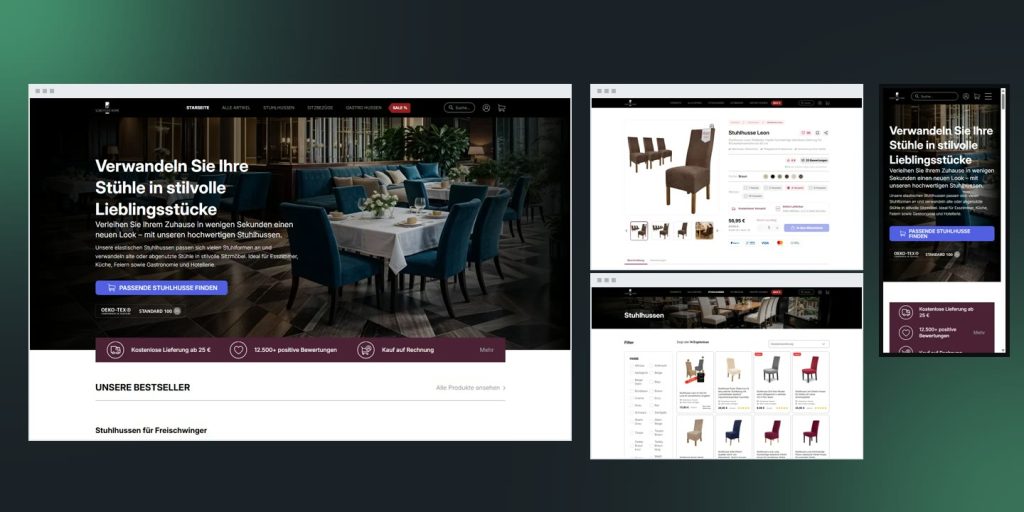
Scheffler Home
A custom WooCommerce theme for SCHEFFLER-HOME, a German chair cover shop: a conversion-optimized mockup built in 120 hours, the store moved over, and Google's mobile performance score up from 44 to 86.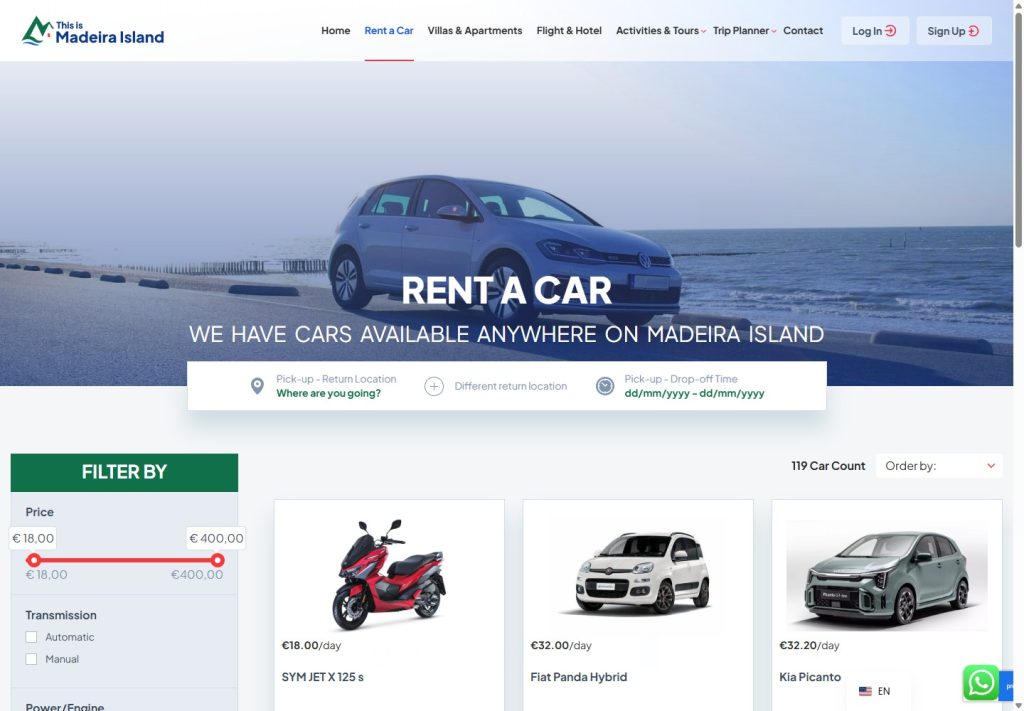
This is Madeira Island
A car rental marketplace for Madeira: 9 rental companies connected by API in one booking system, with payments, cancellations and refunds handled automatically.
WordPress as a platform for Software
WordPress serves as a platform for developing a wide range of projects, including software. Here are some examples of the benefits you receive for your business when using this platform
Let's make something meaningful
Tell us what you are building. A real engineer replies within one working day — usually with questions, sometimes with a first estimate.
Talk to us
Tell us what you are building. A real engineer replies within one working day — usually with questions, sometimes with a first estimate.